



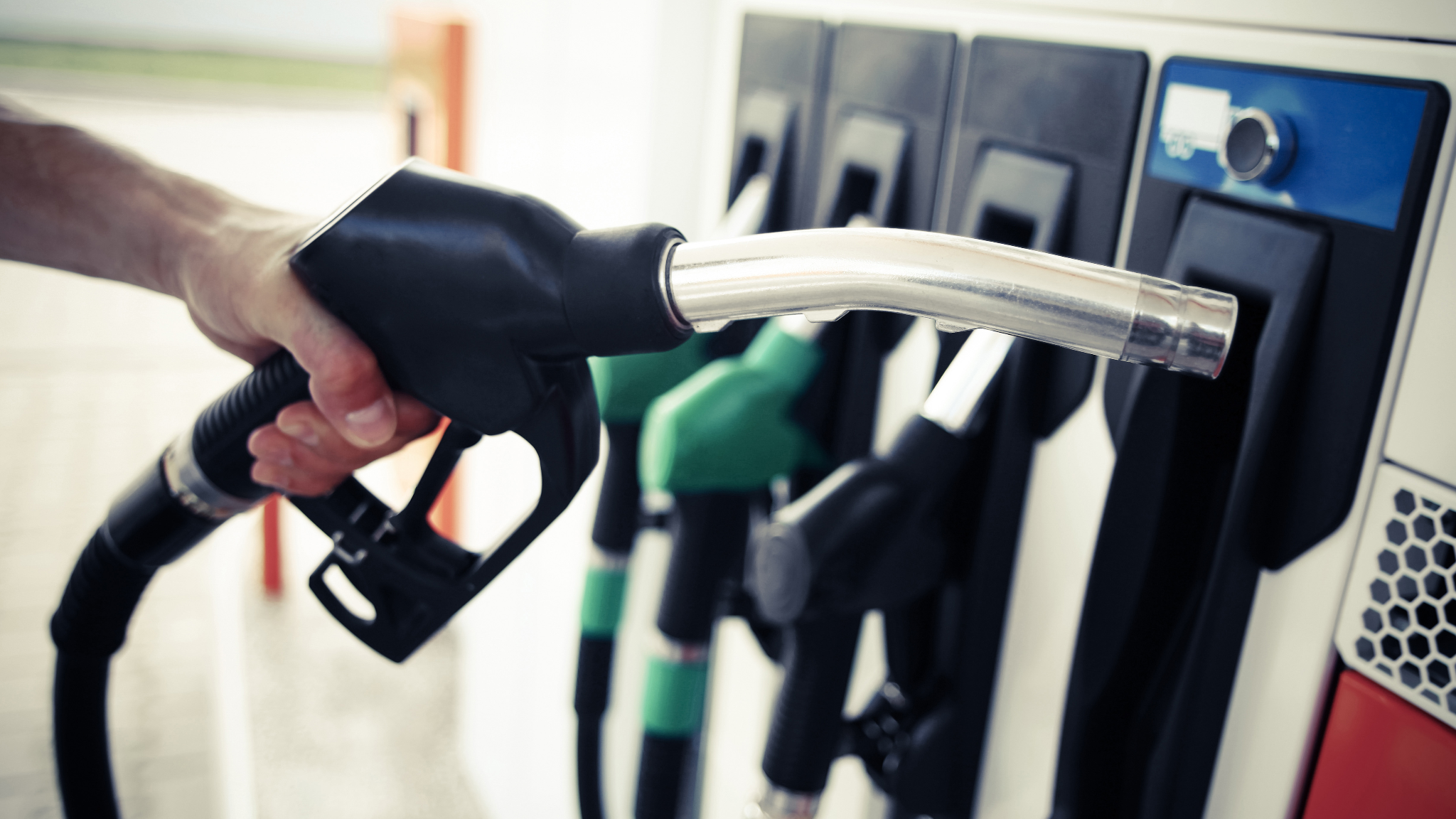
Curaçao drivers are facing higher fuel costs following the latest adjustment that took effect on November 3, 2026. Both gasoline and diesel have become more expensive, with diesel experiencing the larger increase. Although the difference per liter may appear relatively small, the adjustment can affect household budgets, daily commuting, delivery services, and businesses that depend on vehicles to operate across the island.
New Gasoline and Diesel Prices in Curaçao
The latest adjustment affects two of the most widely used automotive fuels: Mogas 95 gasoline and Gasoil (ULSD) diesel. According to the official November tariff schedule, the new pump prices are:
-
Gasoline (Mogas 95): XCG 2.804 per liter, previously XCG 2.725.
-
Diesel (Gasoil ULSD): XCG 2.961 per liter, previously XCG 2.819.
In practical terms, gasoline has increased by approximately 7.9 cents per liter, while diesel has gone up by around 14.2 cents. These changes represent increases of roughly 2.9% and 5%, respectively.
The figures are often rounded in local reports to XCG 2.80 for gasoline and XCG 2.96 for diesel. However, the official tariff schedule provides the more precise amounts.
How Much More Will Drivers Pay at the Pump?
The impact becomes easier to understand when looking at a typical 50-liter fuel purchase.
A driver filling a 50-liter gasoline tank will now pay approximately XCG 140.20, compared with XCG 136.25 under the previous tariff. That is an additional cost of almost XCG 4 per fill-up.
For a diesel vehicle, the same 50-liter purchase will cost approximately XCG 148.05, compared with XCG 140.95 previously. This means drivers will spend about XCG 7.10 more each time they fill the tank.
For someone who fills up once a week, the difference can accumulate over the course of a month. Gasoline drivers could spend around XCG 16 more per month, while diesel motorists could face an additional expense of approximately XCG 28, assuming four similar fill-ups.
These calculations are examples based on a 50-liter purchase, not a fixed monthly cost. Actual spending will depend on tank capacity, driving habits, and how frequently a vehicle needs refueling.
Why Are Fuel Prices Increasing?
Curaçao adjusts regulated fuel prices periodically, taking into account international purchase costs and other components involved in supplying fuel to the island.
The price of gasoline has been affected mainly by a higher international purchase cost. Diesel has a different cost structure, and its latest adjustment also reflects the correction of a previous supply-related deficit.
The final retail price includes several elements beyond the cost of purchasing fuel. These can include supply guarantees, distributor and dealer margins, excise taxes, turnover taxes, and other regulated components.
Because Curaçao depends on imported petroleum products, changes in international energy markets can eventually influence what motorists pay locally. Shipping, supply arrangements, and currency-related factors can also play a role in the overall cost of fuel.
Cooking Gas Prices Remain Unchanged
Not every fuel product has become more expensive. While motorists will pay more for gasoline and diesel, household cooking gas prices have remained unchanged under the November adjustment.
The domestic prices continue to be:
-
20-pound LPG cylinder: XCG 16
-
100-pound LPG cylinder: XCG 80
This provides some relief for households that use bottled gas for cooking, even as transportation expenses increase.
It is worth distinguishing household LPG prices from automotive fuels. Cooking gas is not the same product as gasoline or diesel, and the price adjustments do not necessarily follow the same pattern.
What Does the Diesel Increase Mean for Businesses?
The higher diesel price in Curaçao deserves particular attention because diesel-powered vehicles play an important role in commercial transportation.
Delivery vans, trucks, construction vehicles, service fleets, and other work vehicles often cover considerable distances and consume more fuel than smaller passenger cars. For these operators, even a modest increase per liter can become significant when multiplied across several vehicles and frequent refueling stops.
For example, a commercial vehicle that uses 200 liters of diesel per week would face an additional expense of approximately XCG 28.40 under the new tariff. A business operating several vehicles could see its monthly fuel budget increase considerably.
Transportation costs can also influence the prices of goods and services. Businesses may try to absorb the additional expense, improve efficiency, or eventually adjust their delivery and service charges.
Practical Ways to Reduce Fuel Consumption
Although drivers cannot control the official Curaçao gasoline prices, they can take several steps to reduce unnecessary fuel consumption.
First, maintaining correct tire pressure is important. Underinflated tires create additional rolling resistance, forcing the engine to use more energy. Checking tire pressure regularly can help improve efficiency and extend tire life.
Another useful habit is avoiding unnecessary acceleration and hard braking. Smooth driving helps reduce fuel consumption, especially in areas with frequent stops and traffic.
Regular maintenance also matters. Dirty air filters, worn spark plugs, incorrect engine oil, and neglected servicing can affect how efficiently a vehicle operates. Following the manufacturer's maintenance schedule helps keep the engine in good condition.
Drivers should also avoid leaving their engines running unnecessarily while parked. Short stops may not always justify switching off the engine, but extended idling wastes fuel without moving the vehicle.
Finally, combining errands into fewer trips can help reduce total mileage. Planning routes in advance is particularly useful for drivers who regularly travel between different parts of the island.
Will Fuel Prices Continue to Change in Curaçao?
The November adjustment is another reminder that fuel prices in Curaçao are subject to periodic reviews. The Regulatory Authority of Curaçao publishes official tariff information, allowing residents and businesses to check the latest regulated prices.
For motorists, staying informed is useful when planning monthly expenses, comparing vehicle ownership costs, or deciding whether a gasoline, diesel, hybrid, or fully electric vehicle better suits their needs.
The recent increase may also encourage some drivers to pay closer attention to fuel economy when choosing their next vehicle. A car that consumes less fuel can offer meaningful savings over several years, particularly when fuel prices rise.
What Do Higher Fuel Prices Mean for Your Next Car?
The latest Curaçao fuel price increase may seem modest at first, but its impact becomes more noticeable for people who drive frequently or depend on diesel-powered vehicles for work. With gasoline at XCG 2.804 and diesel at XCG 2.961 per liter, fuel efficiency remains an important consideration for anyone buying or maintaining a vehicle.
Would higher gasoline and diesel prices influence your decision when choosing your next car? Would you consider switching to a hybrid or electric vehicle to reduce your dependence on fuel? Share your thoughts in the comments and explore more vehicle news, maintenance advice, and automotive guides on our Curaçao automotive blog.


